


































Nigeria will launch its National Single Window (NSW) platform on March 27 in a major move aimed at improving trade facilitation, streamlining cargo clearance, and strengthening coordination among government agencies involved in import and export operations.
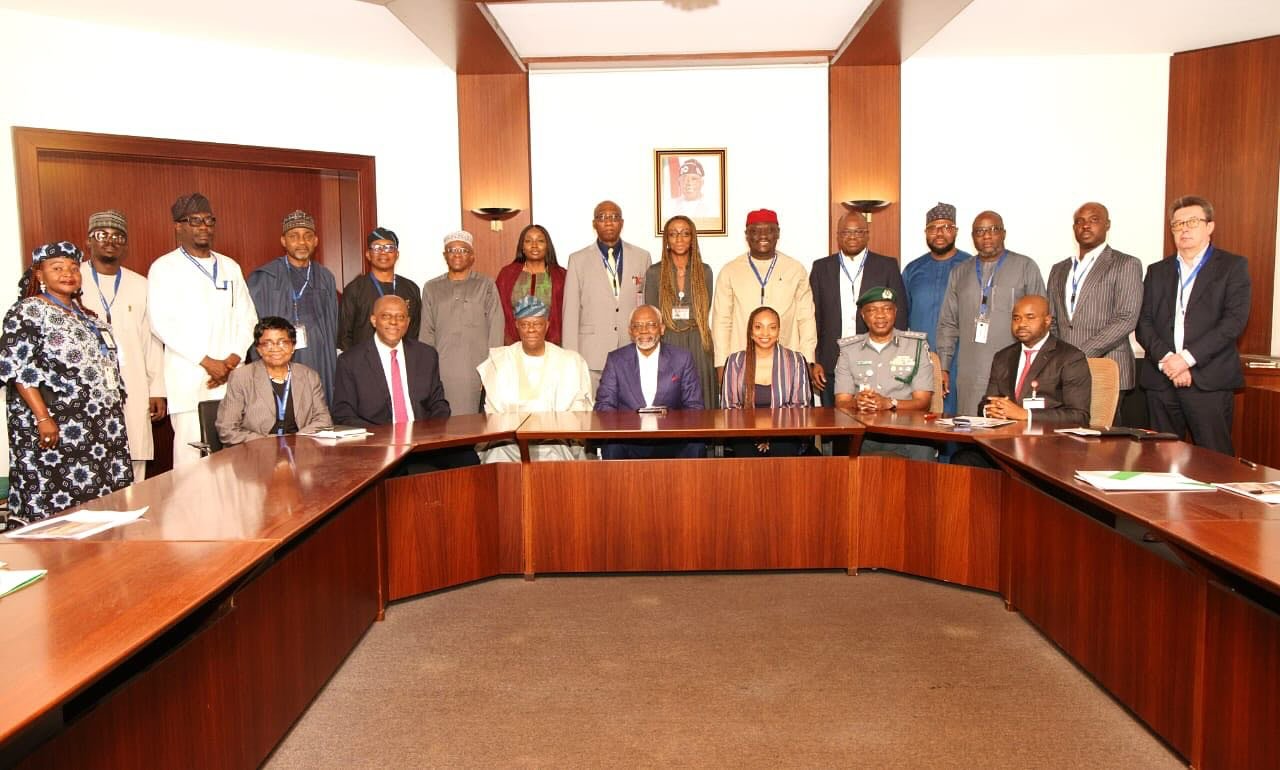
Femi Gbajabiamila disclosed this during a stakeholders’ meeting at the Aso Rock Presidential Villa, which brought together ministers, heads of regulatory agencies, and key officials responsible for implementing the initiative.


The meeting also had in attendance Ifeanyi Chukwunonso Okeke, who joined other agency heads in reaffirming their commitment to supporting initiatives that enhance efficient trade processes and strengthen regulatory collaboration.
ALSO READ: KENYA PUSHES HOME-GROWN DIGITAL PLATFORMS TO EMPOWER CREATORS
The National Single Window project, introduced by Bola Ahmed Tinubu, is designed to provide a unified digital platform where traders can submit documentation once and have it shared automatically with all relevant government agencies.
The system is expected to eliminate duplication in documentation processes, enhance transparency, and significantly reduce the time required for cargo clearance at the country’s ports and borders.
Agencies represented at the meeting included the Nigeria Customs Service, Standards Organisation of Nigeria, Nigerian Maritime Administration and Safety Agency, Nigerian Ports Authority, National Agency for Food and Drug Administration and Control, Federal Airports Authority of Nigeria, Nigeria Agricultural Quarantine Service, and the National Environmental Standards and Regulations Enforcement Agency.
According to officials, the first phase of the platform will include online processing of import permits, electronic submission of cargo manifests, and a centralized risk management system designed to support faster and more efficient cargo processing.
The initiative is part of the federal government’s broader strategy to modernise Nigeria’s trade infrastructure, improve ease of doing business, and strengthen collaboration among regulatory institutions involved in international trade.