





























The Government of Kenya has stepped up efforts to restore the degraded Cherangany Hills ecosystem through its flagship Cherangany Hills Ecosystem Restoration for Livelihood Improvement, Sustainability and Harmony (CHERISH) Programme.
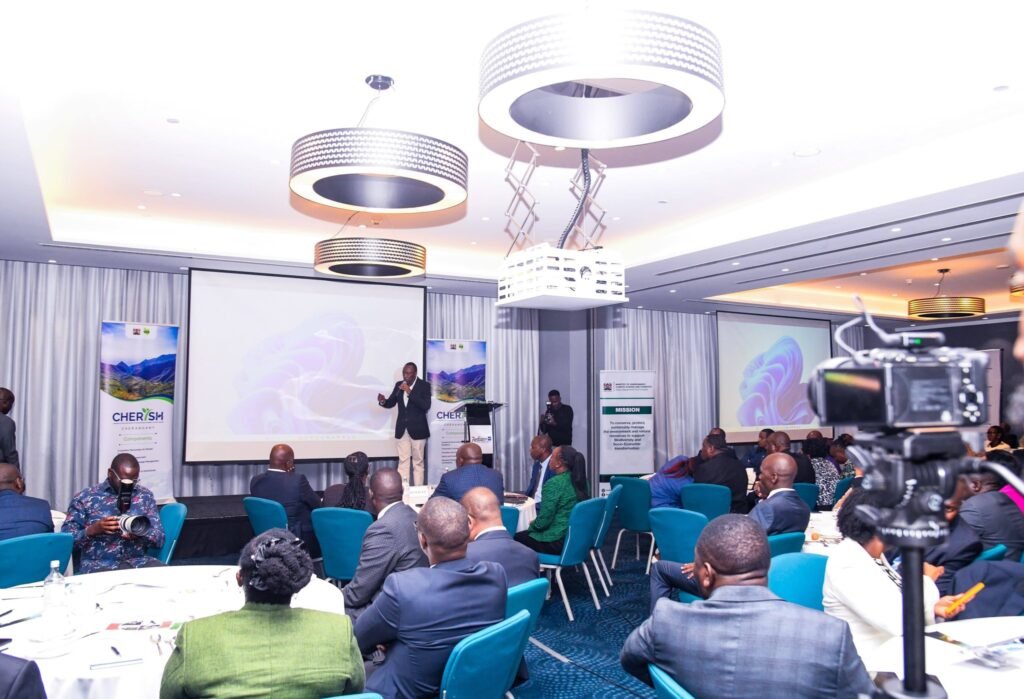
The renewed push was highlighted during a high-level partners’ breakfast roundtable held in Nairobi, bringing together government officials, development partners, and key stakeholders.


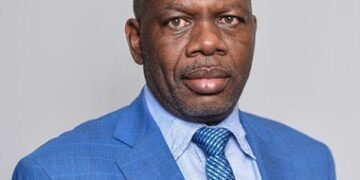
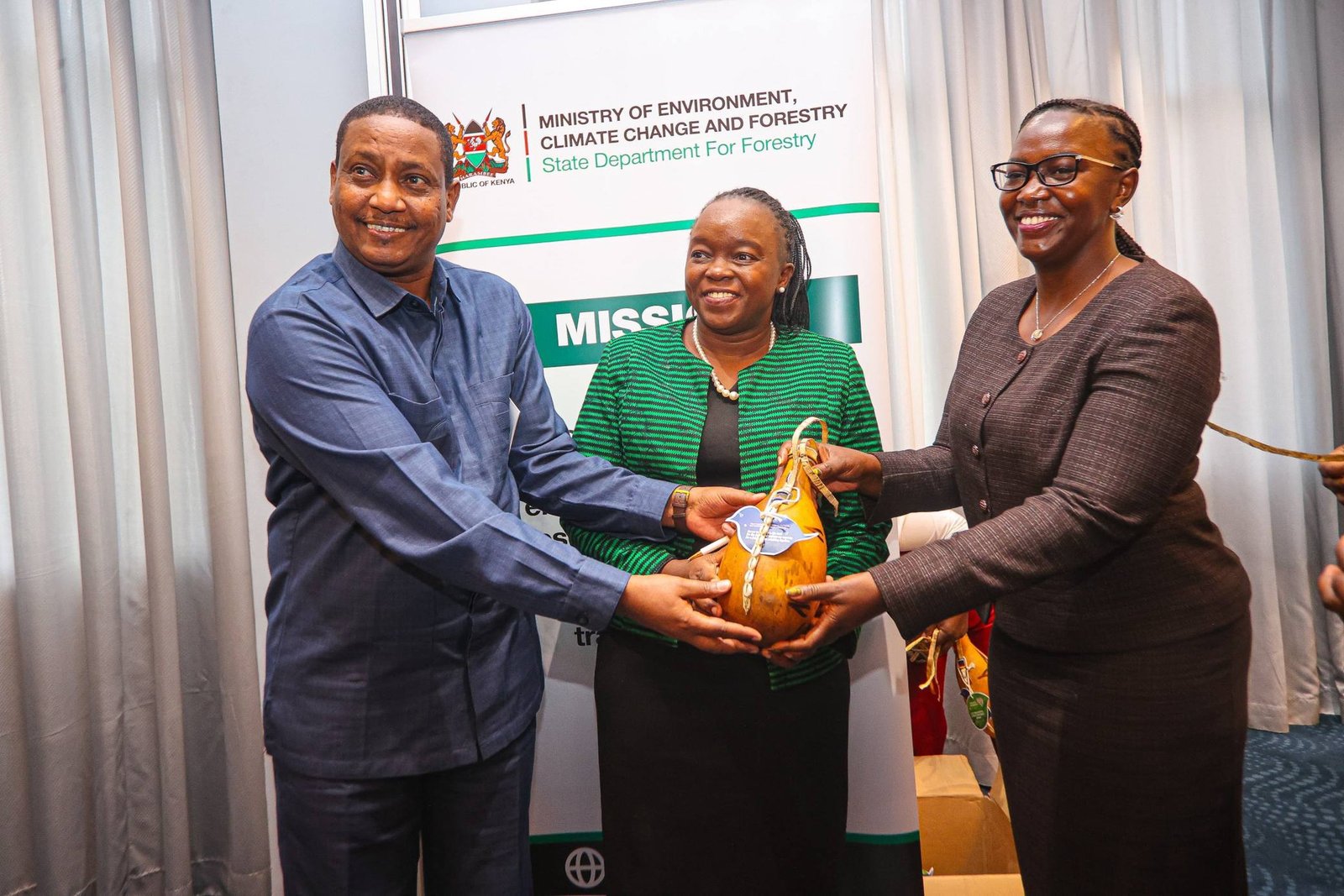
Speaking at the event, Kipchumba Murkomen, Cabinet Secretary for Interior and Patron of the CHERISH Programme, emphasized the urgency of restoring the 414,928-hectare ecosystem, which spans Elgeyo-Marakwet, West Pokot, Trans-Nzoia, and Uasin Gishu counties.
He noted that years of unregulated human activity have led to significant environmental degradation, with approximately 15 percent of the ecosystem now critically degraded and 67 percent moderately affected. This deterioration has resulted in loss of forest and grassland cover, declining biodiversity, and recurring landslides that continue to disrupt livelihoods.
Murkomen said the 10-year CHERISH Programme, anchored on the President’s 15 Billion Trees Growing Agenda, is designed to restore over 62,000 hectares of degraded land, safeguard key water sources, and generate up to 500,000 green jobs for young people. These jobs are expected to come from sustainable initiatives such as agroforestry, beekeeping, and ecotourism. The programme is scheduled for official launch on May 22, 2026, in Elgeyo-Marakwet County, preceded by the inaugural Cherangany Conservation Run on May 21.
ALSO READ: KENYA, NETHERLANDS TIES DEEPEN AS STRATEGIC ALLIANCE FOR A SUSTAINABLE, PROSPEROUS FUTURE
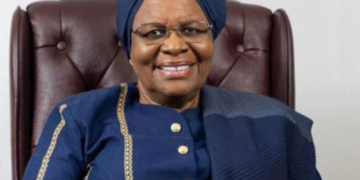
Also speaking, Deborah Barasa, Cabinet Secretary for Environment, Climate Change, and Forestry, reaffirmed the government’s commitment to ecosystem restoration. She described the inclusion of the Cherangany Hills under the national tree-growing programme as a critical milestone in protecting the country’s natural resources.
According to Barasa, Kenya has already planted over 1.43 billion trees and is strengthening seedling production and monitoring systems to ensure long-term impact. She stressed the government’s shift from tree planting to tree growing as a more accountable and results-driven approach.
Barasa further described the CHERISH Programme as a transformative, multi-stakeholder initiative aligned with the government’s Bottom-Up Economic Transformation Agenda, positioning environmental restoration as both an ecological and economic priority.
The roundtable was attended by senior government officials, including Principal Secretaries Gitonga Mugambi (Forestry), Festus K. Ng’eno (Environment and Climate Change), and Joel Arumonyang (Public Works), alongside county leaders and Members of Parliament.
Development partners present included United Nations Development Programme, Equity Group Holdings, KCB Group, Intergovernmental Authority on Development, World Resources Institute, World Wide Fund for Nature Kenya, Kenya Wildlife Service, Kenya Forest Service, Water Resources Authority, Kenya Agricultural and Livestock Research Organization, Kenya Electricity Generating Company, Nature Kenya, and Kenya Accreditation Service, among others.