




















The Common Market for Eastern and Southern Africa (COMESA) has launched a new Project Preparation Facility (PPF) aimed at accelerating distributed renewable energy and clean cooking solutions across Eastern and Southern Africa, with backing from the World Bank.
The facility forms part of the Acceleration of Sustainable and Clean Energy Access Transformation (ASCENT) programme—a $5 billion regional initiative designed to expand electricity access to 100 million people. Through a demand-driven approach, the PPF will support governments and private sector players in developing bankable, investment-ready energy projects.


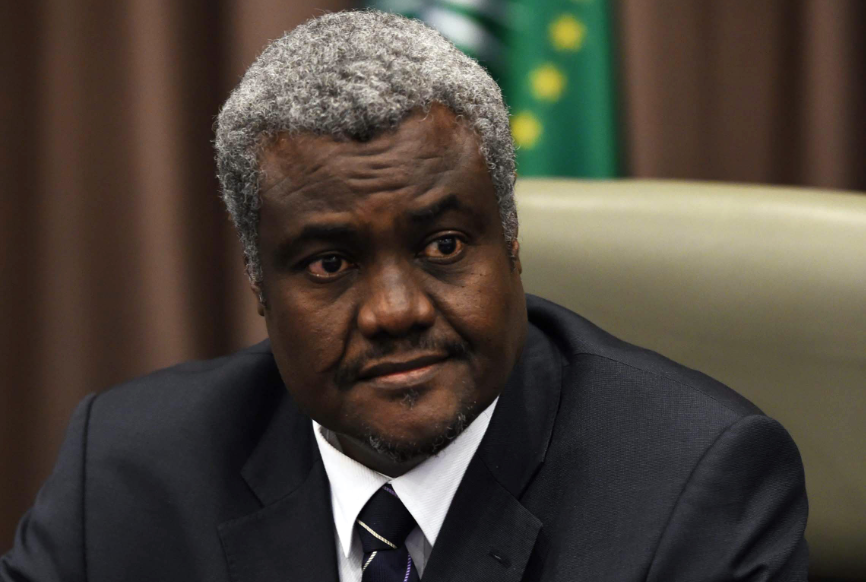
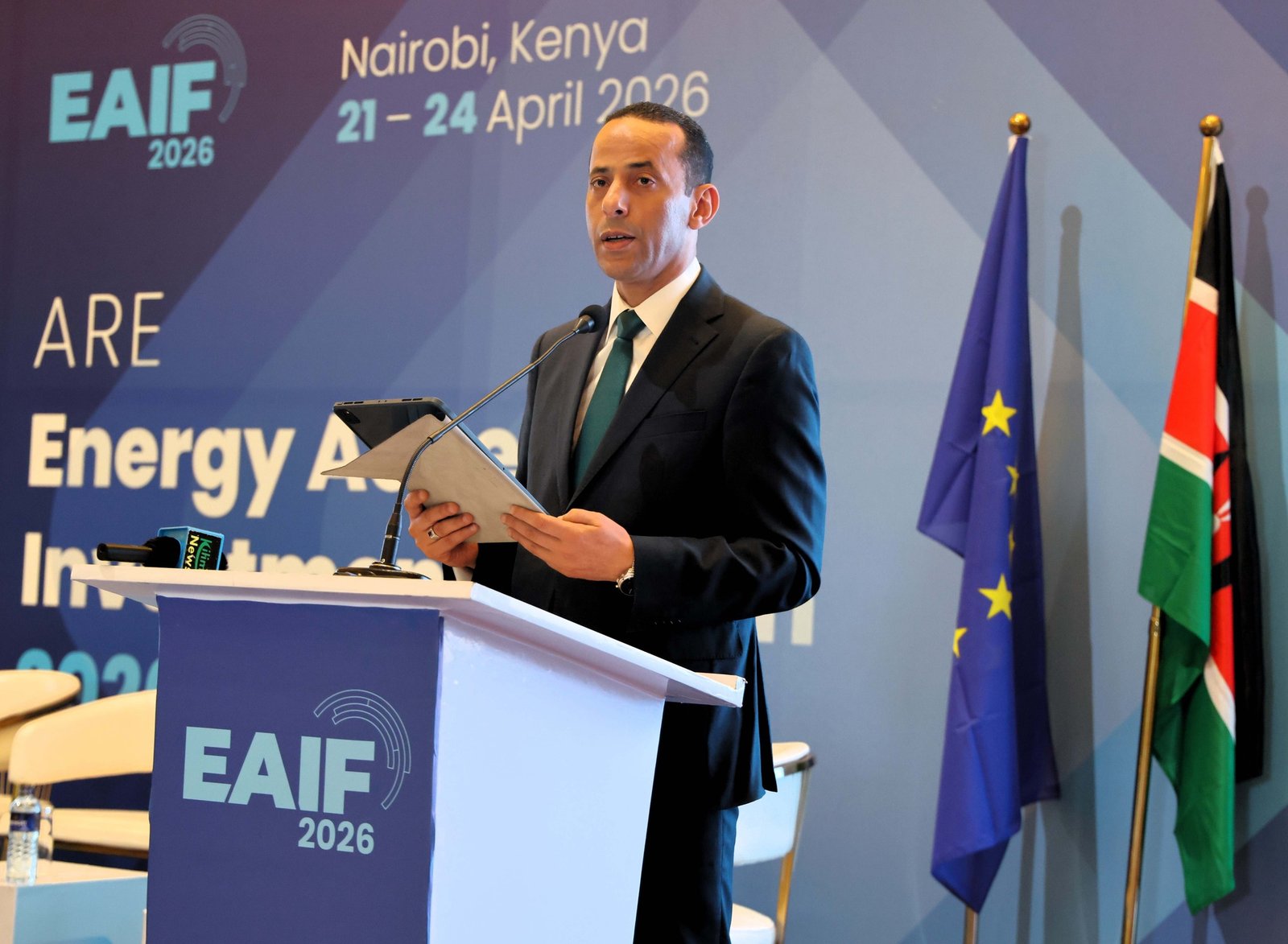
Speaking at the ARE Energy Access Investment Forum 2026, COMESA Assistant Secretary General, Dr Mohammed Kadah, highlighted the urgency of the initiative.
ALSO READ: NDPC DEEPENS GLOBAL TIES WITH THALES AFTER PARIS STUDY TOUR
“Millions across the region still lack reliable electricity, and many households continue to depend on traditional biomass for cooking, which presents significant health and environmental risks,” he said.
Dr Kadah noted that while distributed renewable energy and clean cooking technologies are available, many projects fail to reach financial close due to weak project preparation.
“Key gaps in technical structuring, financial modelling, and risk allocation continue to limit the bankability of these projects,” he explained, adding that the PPF is designed to bridge these gaps by aligning projects with the standards required by development finance institutions and commercial investors.
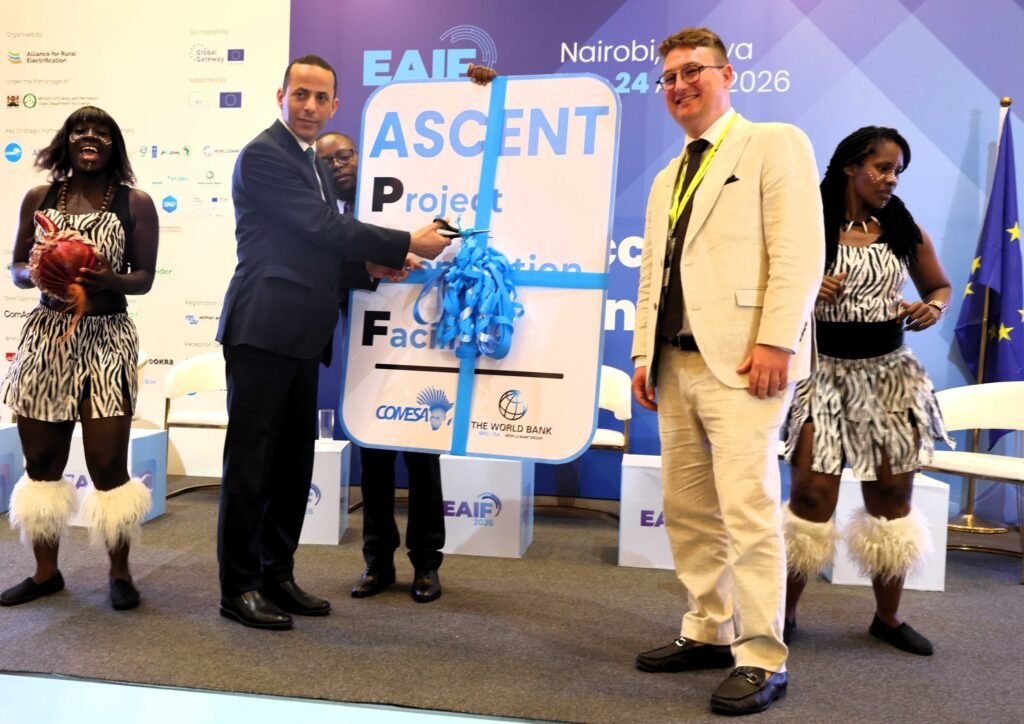
He described the facility as “a critical step toward building a strong pipeline of bankable projects capable of attracting private investment and delivering impact at scale,” and called on governments, developers, financial institutions, and development partners to collaborate in creating an enabling environment for energy investment.
Also speaking, ASCENT Technical Manager, Ahid Maeresera, emphasized that smaller energy companies stand to benefit significantly from the initiative.
“Smaller companies are the ones that are failing to get financing because they can’t do project preparation—whether legal components, environmental and social requirements, or financial structuring and modelling. We want to help those companies,” he said.
Maeresera added that financing support from the World Bank can be accessed either directly by companies or through financial institutions. Where necessary, technical experts may also be deployed to provide hands-on support in bridging capacity gaps.
The World Bank’s support will be channelled through the International Development Association (IDA), which provides low-interest financing to low-income countries to drive development outcomes. The ASCENT programme is expected to mobilise an additional $10 billion from other partners, bringing the total funding envelope to $15 billion.
The initiative signals a coordinated push to unlock scalable energy solutions, expand access, and accelerate sustainable development across the region.