

























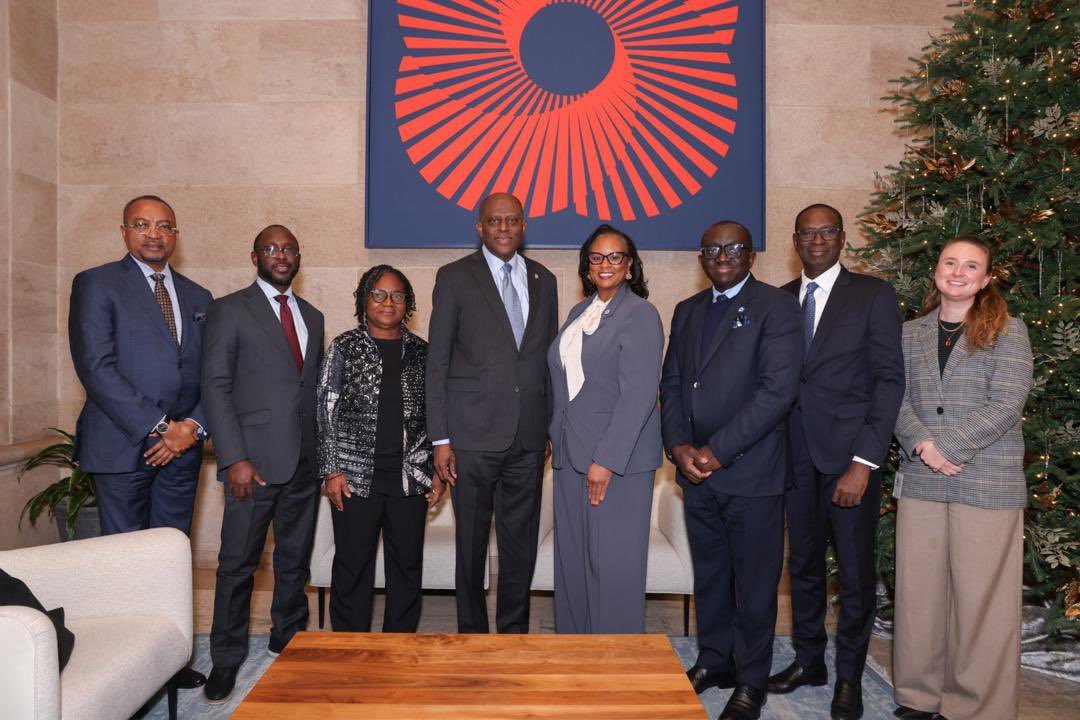
Amid a climate of global economic caution, senior U.S. business executives and international investors convened with the Governor of the Central Bank of Nigeria, Mr. Olayemi Cardoso, met with senior business leaders, and global investors to outline Nigeria’s disciplined economic reset and its drive toward a more predictable, transparent, and investment-ready economy.
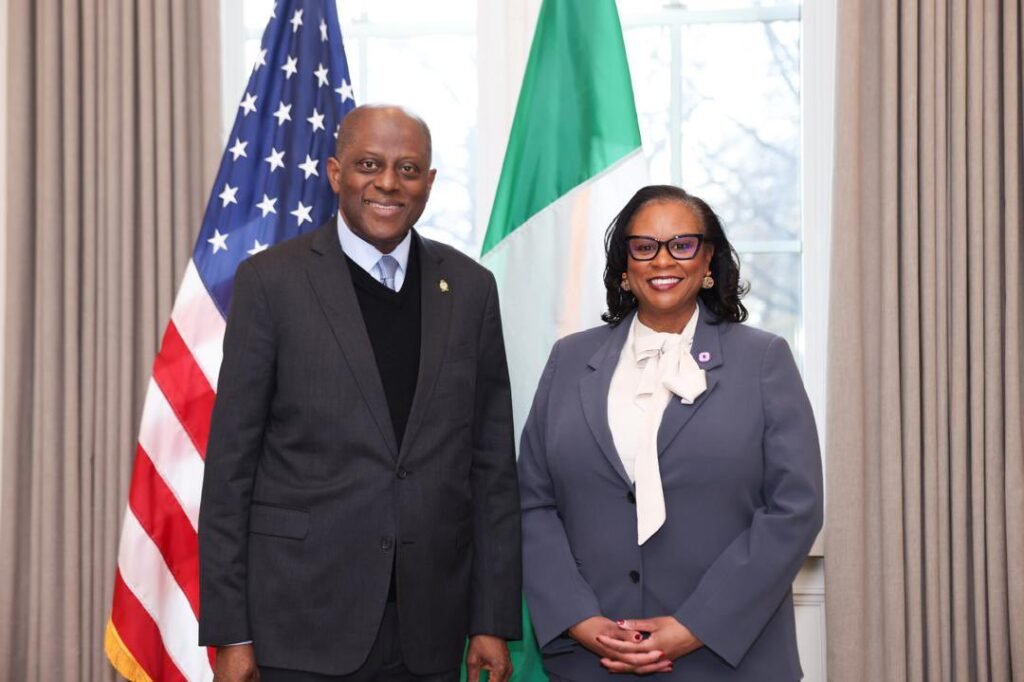
The U.S.-Nigeria Executive Business Roundtable, hosted by the U.S. Chamber of Commerce’s U.S.-Africa Business Center, centered on Nigeria’s push for macroeconomic stability and a more transparent investment landscape. Central Bank of Nigeria Governor Olayemi Cardoso directly addressed the gathering, positioning Nigeria’s current “disciplined economic reset” as a direct response to global capital’s demand for certainty.


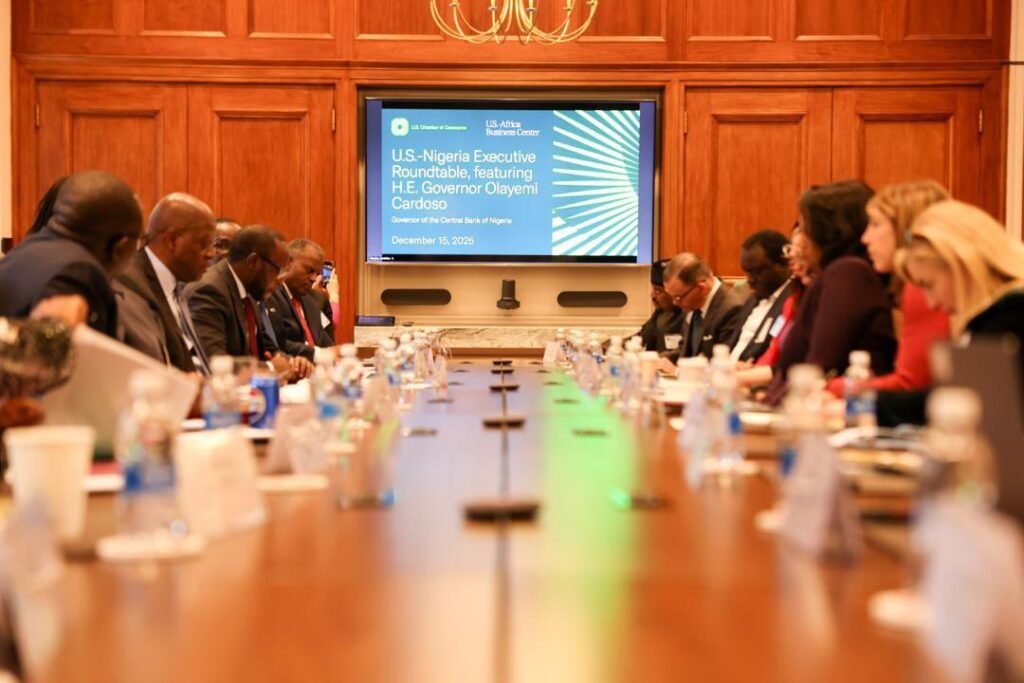
“At a moment when global capital is increasingly cautious, seeking certainty amid shifting trade dynamics, Nigeria is committed to rules-based policies, transparent markets, and credible institutional frameworks,” Governor Cardoso stated. He detailed ongoing reforms as the foundation for renewed investor confidence, specifically citing foreign-exchange market reforms, orthodox monetary policy, strengthening the banking sector, and modernizing the payments system as critical pillars.
ALSO READ: KENYA: KPA REAFFIRMS MODERNIZATION DRIVE, CELEBRATES PERFORMANCE MILESTONE
The dialogue focused on practical pathways for scaling investments in Nigeria’s priority sectors, with an emphasis on macroeconomic stabilization and regulatory clarity. The roundtable signals a deepening phase of commercial engagement between the United States and Nigeria.
Kendra Gaither, President of the U.S.-Africa Business Center at the U.S. Chamber of Commerce, underscored the evolving perception of Nigeria’s economy. “What investors are responding to today is clarity, clear rules, credible reforms, and a seriousness of purpose,” Gaither said. “Nigeria’s message is increasingly one of discipline and opportunity, and that matters in a global economy actively seeking stability and predictability.”