
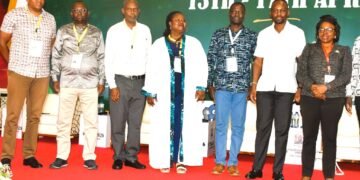


























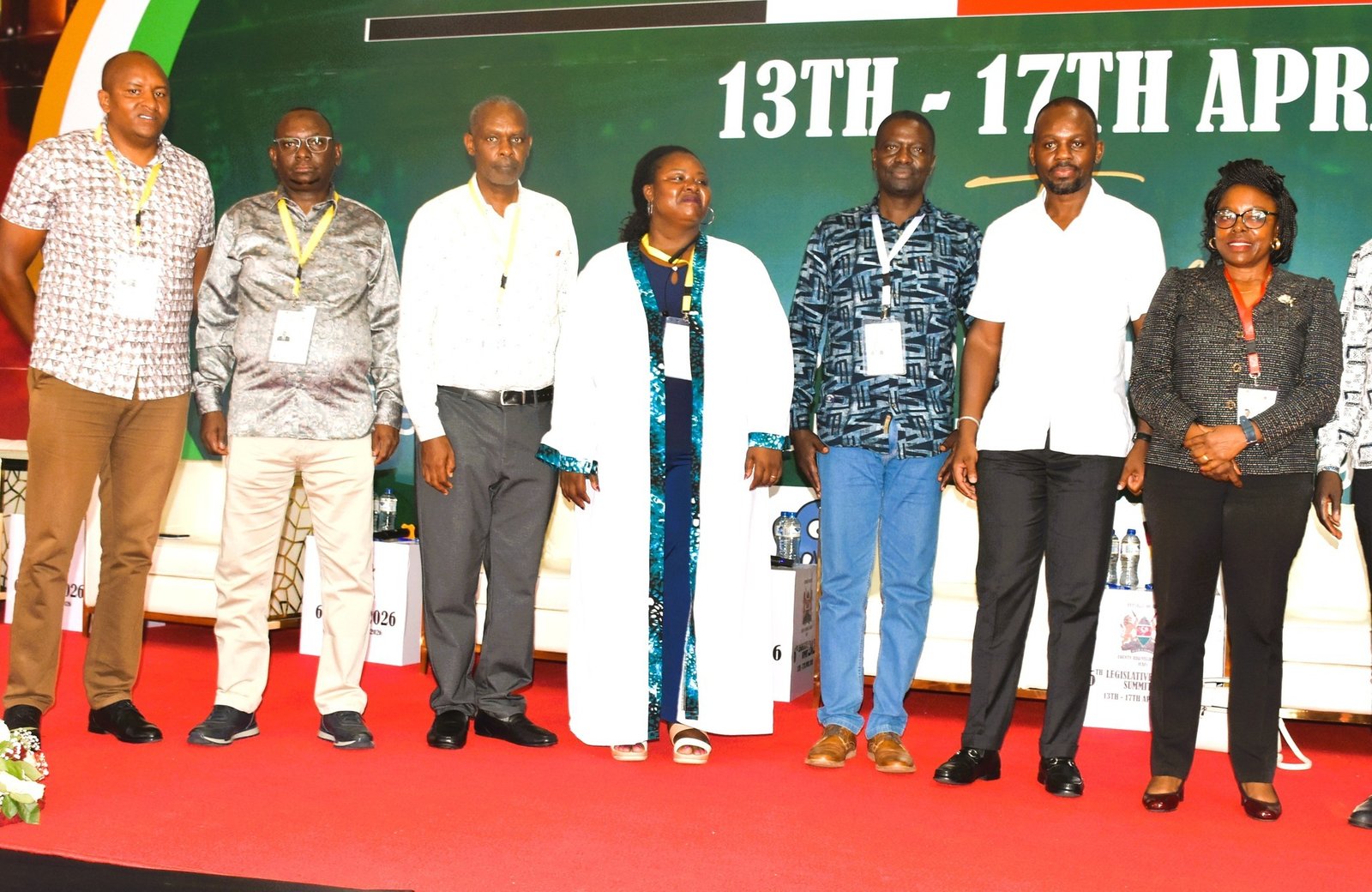
The Commission on Revenue Allocation (CRA) is reinforcing its commitment to strengthening governance and financial independence at the county level, as its leadership actively participates in the ongoing 6th Legislative Summit.
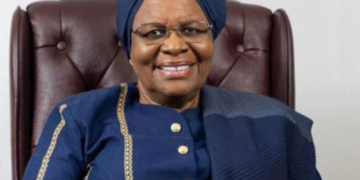
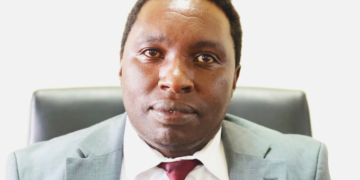
On the second day of the summit, CRA Chairperson, CPA Mary Wanyonyi Chebukati, led the Commission’s delegation, underscoring the agency’s role in promoting accountability and sustainable development across county assemblies.


The Acting CEO, Roble Nuno, also featured prominently in a high-level panel discussion on the theme: “Strengthening Governance and Financial Autonomy of County Assemblies for Sustainable Development.”
The session addressed pressing issues around governance structures, fiscal responsibility, and long-term sustainability within devolved legislative institutions.
The discussion comes at a critical time when county assemblies are navigating evolving financial and governance challenges. CRA emphasized its continued efforts to ensure that assemblies operate independently while maintaining accountability in public resource management.
ALSO READ: NITDA UNVEILS CYBERSECURITY TRAINING PROGRAMME FOR NIGERIAN WOMEN
As part of its mandate, the Commission has implemented several key interventions to support county autonomy. These include setting expenditure ceilings and ensuring that county assemblies receive a ring-fenced share of the overall county budget, safeguarding their operational independence.
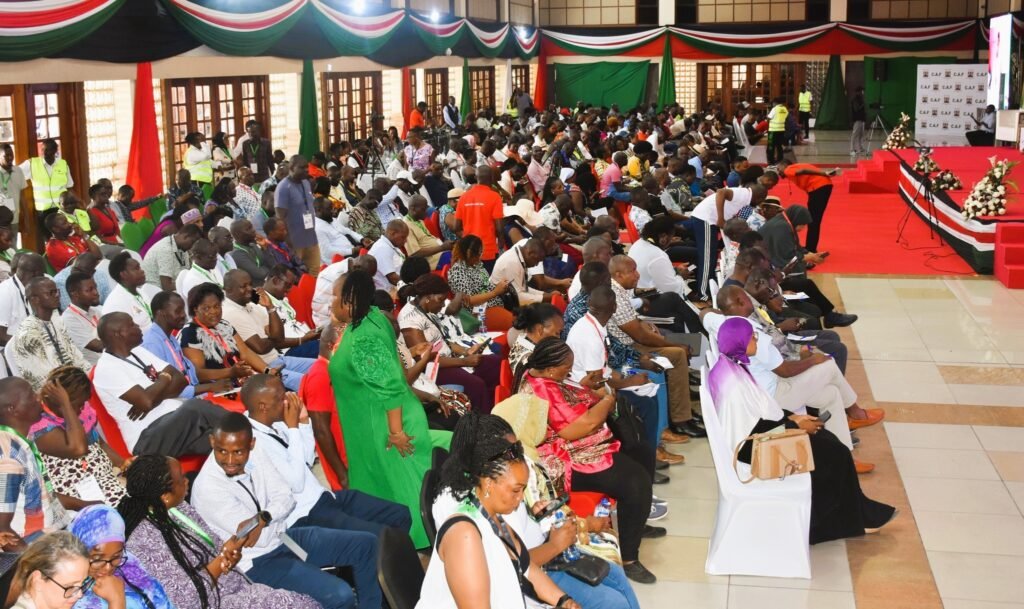
CRA has also maintained direct engagement with Parliament, drawing attention to gaps in implementation and instances where its recommendations have been overlooked. This engagement has, in some cases, prompted legislative action to enforce compliance.
In advancing structural reforms, the Commission has supported amendments to Section 109 of the Public Finance Management (PFM) Act, 2012, through the County Public Finance (Amendment) Act, 2025. These reforms paved the way for the County Assembly Financial Autonomy Bill, which seeks to ring-fence assembly budgets and enable them to function without undue interference from county executives.
Additionally, CRA continues to provide technical training on public finance management structures, including the County Budget and Economic Forum (CBEF), to ensure that allocated funds are utilized in line with approved budgets and procurement regulations.
Through these efforts, the Commission is positioning county assemblies to operate more effectively, transparently, and independently as key pillars for sustainable development at the subnational level.