











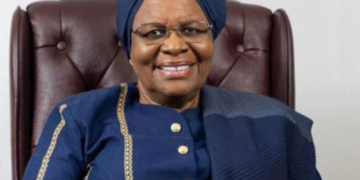



















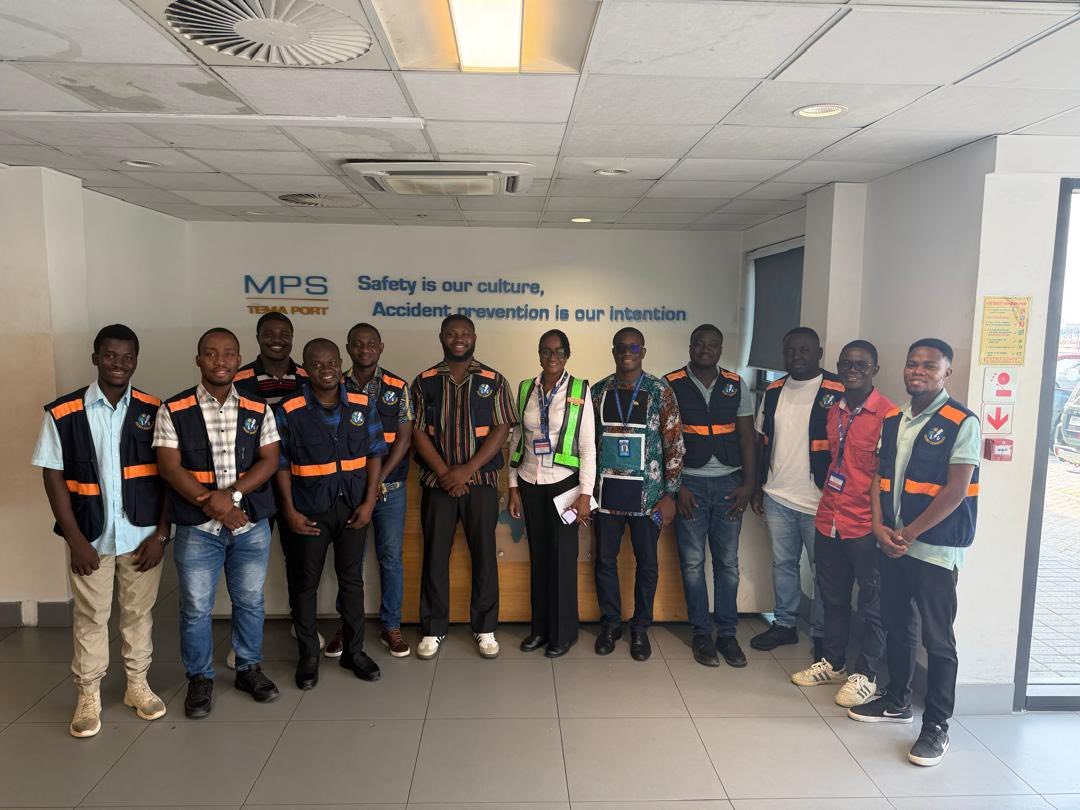
In a move aimed at enhancing regulatory vigilance over energy products entering the country, Ing. Eunice A. Biritwum, Executive Secretary of the Energy Commission, conducted an on-site visit to Tema Port on January 16, 2026.
The visit underscores Ghana’s ongoing efforts to strengthen energy security, promote transparency, and improve operational efficiency at one of West Africa’s busiest maritime gateways. Tema Port serves as a critical entry point for energy-related equipment, petroleum products, and infrastructure components essential to the nation’s power and fuel supply chains.

During the engagement, Mrs. Biritwum met directly with frontline personnel, including inspectors, customs officers, and port authorities. The interactions focused on fostering closer collaboration to better monitor imports and exports of energy commodities, ensuring full compliance with national standards.
“The Energy Commission is committed to preventing substandard or unsafe energy products from reaching the Ghanaian market,” officials emphasized. By addressing real-time challenges faced by port staff, the Commission aims to streamline clearance processes, reduce delays, and enhance overall service delivery.

Key objectives of the visit included reinforcing enforcement of energy regulations, identifying bottlenecks in oversight procedures, and exploring opportunities for capacity building. Training and support for inspectors and customs teams were highlighted as vital steps to equip them with the tools and knowledge needed to uphold stringent quality and safety requirements.
The initiative aligns with broader national priorities, including safeguarding consumer interests, supporting sustainable energy strategies, and promoting institutional cooperation across government agencies. Stronger port-level oversight is seen as essential to reliably meeting Ghana’s growing energy demands while advancing long-term goals in energy transition and economic resilience.
This proactive engagement reflects the Energy Commission’s dedication to accountability and forward-thinking governance in the sector. As Ghana continues to prioritize reliable and efficient energy systems, such field-level interventions are expected to play a pivotal role in maintaining the integrity of the country’s energy supply chain .