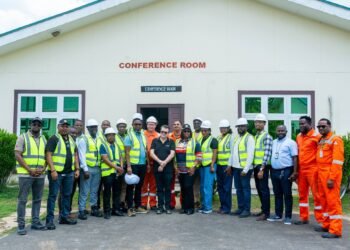




































Ghana’s Minister for Roads and Highways, Kwame Agbodza, has unveiled plans to reintroduce road tolling across all public roads in the country, marking a shift toward a fully digital system that eliminates traditional physical toll booths.
In an interview with Accra-based Citi FM, Mr. Agbodza emphasized that the new initiative will rely on advanced digital platforms to collect tolls, aligning with regional standards and aiming to generate sustainable revenue for road infrastructure.

“The road toll is a factor under the purview of the highways, but it is now being reintroduced generally on all public roads,” the Minister stated. “I am looking forward to the completion of that procurement process this month, after which a public education campaign will start.”
The tolls will specifically target public roads that have been engineered or improved, ensuring that funds raised are directly reinvested into completing ongoing projects and maintaining the nation’s road network.
“All public roads that have been engineered or improved will have a certain level of tolling on them so that we can raise revenue to complete some of the ongoing projects and maintain the roads,” Mr. Agbodza explained.
Highlighting the innovative approach, the Minister noted that Ghana’s digital tolling system will comply with recommendations from ECOWAS leaders, who advocate for region-wide adoption of electronic platforms to streamline cross-border travel and reduce congestion.
“We are introducing a new road toll system where we do not need physical toll booths,” he said. “In any case, ECOWAS leaders recommend that tolling across the region should now be rolled out on digital platforms. We are actually ahead of that schedule.”
To facilitate smooth rollout, the Ministry of Roads and Highways is collaborating closely with the Ministries of Transport, Interior, and Communication.
The announcement comes as the government seeks to address funding gaps in road maintenance following the abolition of traditional tolls in previous years. Officials anticipate that the digital system will enhance efficiency, transparency, and revenue collection while minimizing disruptions for motorists.
Public education efforts are expected to begin soon after the procurement process concludes this month, with further details on implementation to be shared in the coming weeks.