




























The South African Revenue Service (SARS) has achieved a historic milestone, collecting R2.01 trillion in net revenue for the 2025/26 financial year, surpassing the R2 trillion mark for the first time in over three decades.
The record-breaking performance, announced at the close of the fiscal year on March 31, 2026, reflects an 8.4% year-on-year increase, outpacing the country’s nominal GDP growth of 5.4%. The result also exceeded prior estimates by R24.7 billion, underscoring stronger-than-expected revenue collection.

Over the past seven years, SARS has demonstrated sustained growth, with revenue collections rising at a compound annual growth rate (CAGR) of 5.8%. Of the total R25.4 trillion collected since 1994, nearly half—R11.5 trillion—was generated within this period, highlighting a significant acceleration in revenue mobilisation.
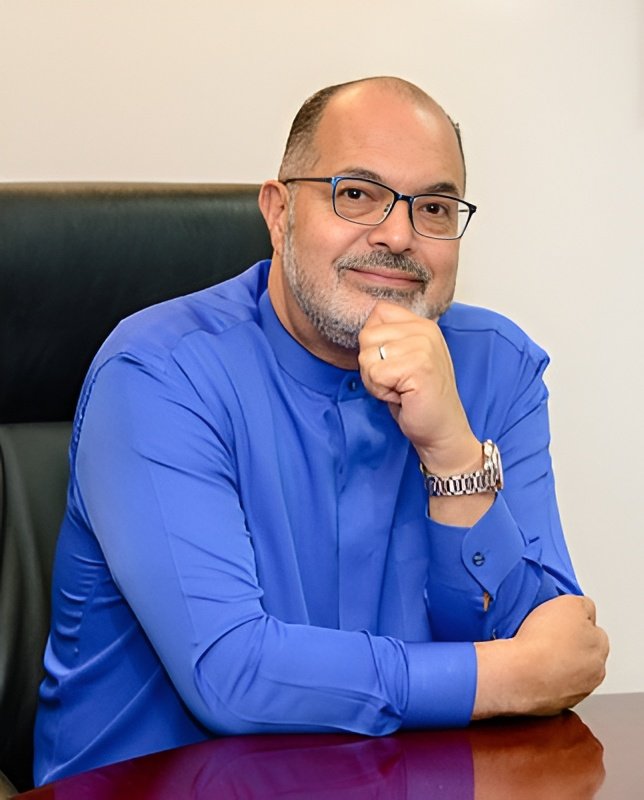
SARS Commissioner Edward Kieswetter attributed the achievement to institutional discipline and operational excellence.
ALSO READ: TINUBU APPOINTS PATIENCE OKALA AS NATIONAL COORDINATOR OF NIGERIA’S AFCFTA OFFICE
“Collecting over R2 trillion is not an accident, but the outcome of the more than 14,500 employees who diligently perform millions of activities meticulously to achieve this record collection,” he said.
“Every rand not only helps build a capable state that honours the social contract but also enables the state to deliver for all South Africans and strengthen fiscal integrity.”
The improved revenue performance also enabled the government to avoid a previously proposed increase in Value-Added Tax (VAT), providing relief to consumers.
Key Revenue Drivers
Several tax categories contributed to the strong performance:
- Personal Income Tax (PAYE): Recorded R59.9 billion growth (8.5%), supported by wage increases and fiscal drag.
- Corporate Income Tax (CIT): Grew by 9.9%, with strong contributions from both large firms and small businesses.
- Domestic VAT: Increased by 7.6%, driven by improved consumer sentiment, lower interest rates, and targeted compliance interventions that generated R37 billion in additional cash collections.
Despite these gains, some areas underperformed expectations, including import VAT, reflecting ongoing global economic pressures and supply chain disruptions.
Compliance and Enforcement Gains
SARS’ intensified compliance efforts played a crucial role in boosting collections. By the end of March 2026, the agency had secured R316.39 billion through compliance activities, including R164.59 billion in cash collections and R151.81 billion in prevented revenue leakage.
Debt collection initiatives alone contributed R110.9 billion, while voluntary disclosure programmes added R6.8 billion to the fiscus.
The Commissioner emphasized that voluntary compliance remains central to SARS’ strategy, supported by data science, artificial intelligence, and targeted enforcement actions against tax evasion and fraud.
Tackling the Illicit Economy
However, SARS warned that the illicit economy continues to pose a major threat, costing the country over R100 billion annually through activities such as smuggling, counterfeit trade, and organised tax crime.
“People who buy illicit goods often believe they are getting a bargain,” Kieswetter said.
“In reality, they are funding the destruction of legitimate businesses and jobs, shrinking the country’s tax base, and weakening the very institutions meant to serve them.”
He added:
“There is no such thing as a cheap deal in the illicit economy, and the real cost is paid by society at large. We will not allow criminal syndicates to hollow out the tax system.”
Modernisation and Future Outlook
SARS also unveiled its Modernisation 3.0 strategy, aimed at transforming tax administration through digital innovation. The initiative includes the introduction of a unique digital identity for taxpayers, biometric authentication, AI-driven compliance systems, and an automated VAT assessment process.
The system will be supported by an instant payment infrastructure in collaboration with the South African Reserve Bank, reducing reliance on cash transactions.
The modernisation builds on the success of SARS’ auto-assessment system, which enabled over 6 million taxpayers to have their returns processed automatically.
A Legacy of Growth and Reform
Reflecting on his tenure, Commissioner Kieswetter highlighted the broader institutional transformation achieved over the past seven years:
“As I come to the end of my seven years of national service, I recall the President’s call to restore credibility and capability in our institutions. It was a call to service… and I am proud that, together with SARS employees, we have given our best to the nation.”
He also expressed gratitude to taxpayers and staff:
“The record achievement we reached today is because of all compliant taxpayers. I thank them for their fiscal citizenship.”
“The 14,500 SARS employees are the true heroes of this organisation… I salute them for their unwavering commitment.”
As SARS continues its journey toward becoming a fully digital and data-driven institution, the agency maintains that sustained investment, public trust, and stronger compliance will be critical to safeguarding South Africa’s fiscal health in the years ahead.